
The Penalty Kick
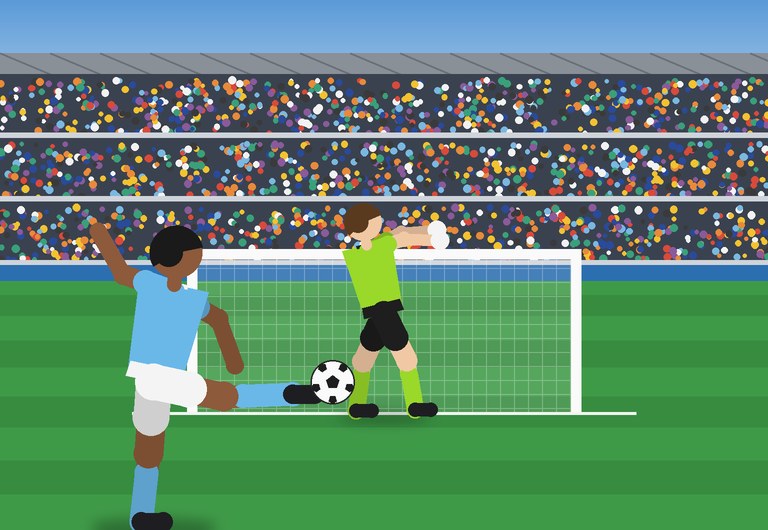
The defender trips the attacker inside the penalty area. What is your call?
Few moments in football are as tense as a penalty kick. One player, one goalkeeper and twelve yards between them. Yet for the first decades of the game, there was no penalty at all.
An idea from a goalkeeper
The penalty was the idea of William McCrum, a goalkeeper from Milford in County Armagh, Ireland. He was tired of defenders stopping attacks near goal with rough fouls, because the punishment was only an ordinary free kick. In 1890 the Irish Football Association put his idea to the International Football Association Board, the body that writes the Laws of the Game. At first it was laughed at as the “Irishman’s motion”.
Adopted in 1891
A notorious incident in an English cup match in early 1891, when a defender stopped a goal-bound shot with his hands, changed minds. That summer the Board adopted the penalty kick. In the first version the ball was placed on a line twelve yards from goal, and the goalkeeper could come up to six yards off his line. Some of the first penalties in competitive matches were awarded in August and September 1891.
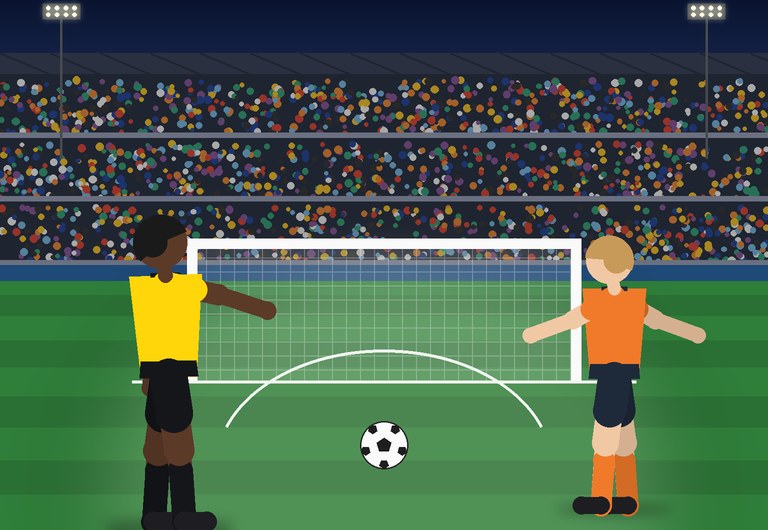
The spot
The penalty spot itself was added in 1902, together with the penalty area we know today. Since then the rule has been fine-tuned many times. Today the goalkeeper must stay on the goal line, with at least part of one foot touching or in line with it, until the ball is kicked.
Rule card
Idea byWilliam McCrum, Ireland
Adopted1891
Distance12 yards (11 m)
Penalty spotSince 1902
Awarded forA direct free kick offence by a defender inside their own penalty area
The ball was placed on a line 12 yards from goal. The goalkeeper could come up to six yards off his line.